
Written by Ceezaer Drone Services
Official publication of ceezaer.com — Veteran-Owned · FAA Part 107 · Round Rock, TX
A new master-planned community in the Austin metro can take 18 to 36 months to sell out, and buyers who visit in month three see red dirt instead of the lifestyle they are being sold. Monthly drone flyovers close that gap by documenting amenities, home starts, and landscape maturity as they happen. Communities with regular aerial updates give sales teams fresh, honest marketing assets every 30 days instead of relying on a stale rendering.
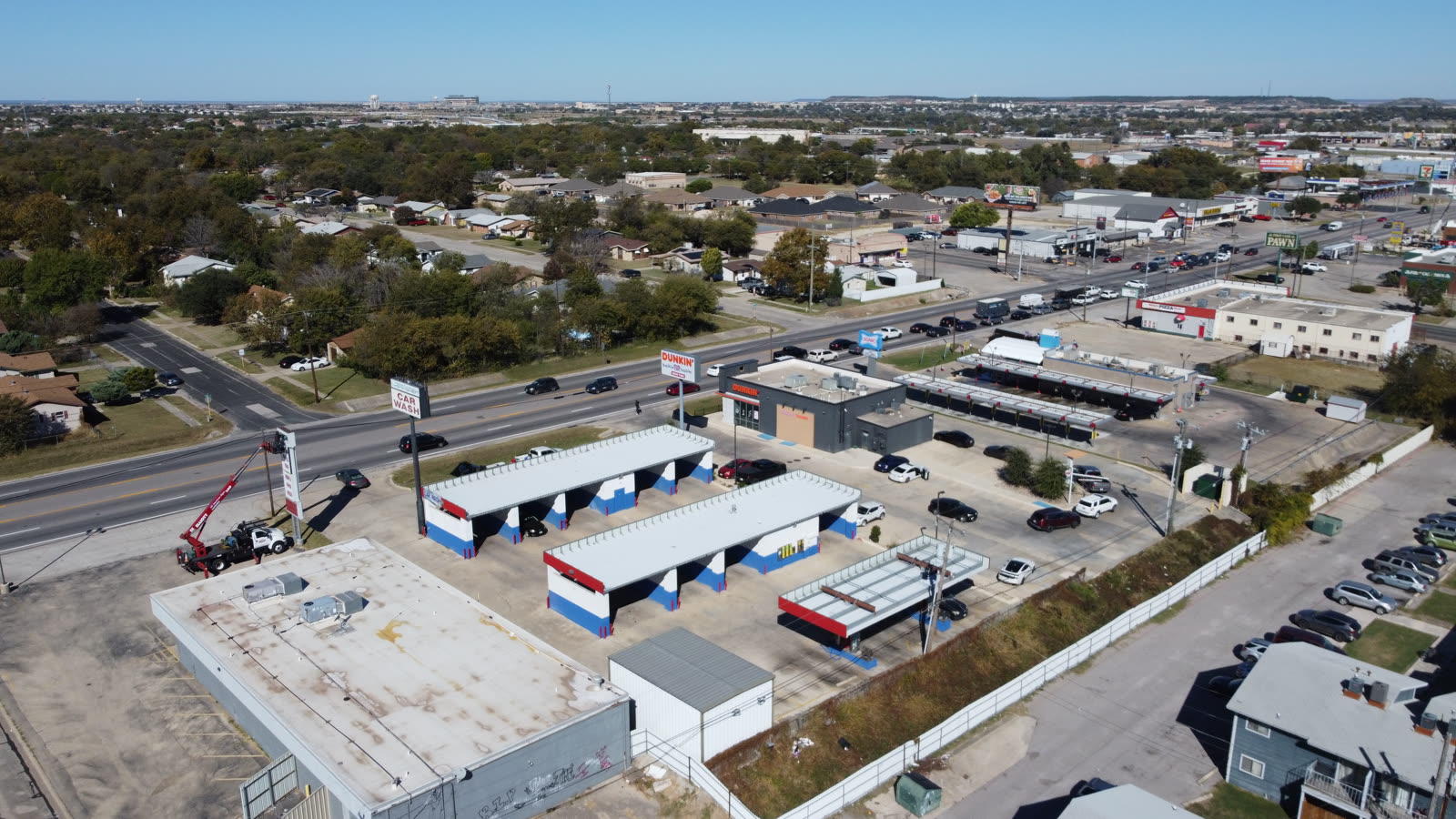
A subdivision changes faster than any other real estate product. The imagery that sells it should change at the same pace.
When a land developer or production builder breaks ground on a new community in Hays, Williamson, or Travis County, the first marketing assets are almost always renderings and a site plan. Those work for pre-sales, but they create a credibility gap the moment a buyer drives out to the site. If the amenity center is a slab, the trees are two feet tall, and half the streets are gravel, a glossy rendering can feel like a bait-and-switch.
Marketing new home communities with monthly drone flyovers solves this by replacing speculation with evidence. Each flight captures what actually exists on the ground: completed model homes, a finished pool, mature landscaping along the entry monument, and the steady rhythm of vertical construction. Instead of one hero photo that ages badly, the sales team gets a rolling library of current imagery that tells a progress story buyers can trust.
The economics favor it too. A community that takes two to three years to sell out spends money on signage, digital ads, and model-home staging every single month. Aerial updates are one of the few marketing line items that compound in value, because early flights become the "before" footage that makes later build-out look dramatic. A 30-second flyover showing raw pad sites turning into a filled-out neighborhood is more persuasive than any brochure.
A single flight over a community generates a surprising amount of reusable marketing content across formats and channels.
High-resolution oblique and top-down stills of the entry, amenity center, and completed streetscapes. These feed the community website, builder landing pages, and print collateral. A 20-megapixel sensor produces images clean enough for billboard-scale reproduction.
A 30 to 90 second edited reel that orbits the amenity center, glides down finished streets, and pulls up to reveal the surrounding Hill Country context. This is the single most shared asset on social and the most effective paid-ad creative.
Matched flight paths month over month let you stack identical angles into side-by-side or time-lapse sequences. Nothing sells future lots like watching the first phase fill in.
Dedicated passes over the pool, trails, pocket parks, and splash pads give the sales team dedicated content for each selling point rather than one wide shot that buries the details.
A clean top-down orthophoto, updated monthly, shows exactly which lots are sold, under construction, or available. Overlaid with the plat, it becomes an interactive sales tool at the model home.
Wide establishing shots show how a new phase connects to existing sections, schools, and major roads, answering the location questions buyers ask before they ever walk a model.
One flight, scheduled around good light and dry conditions, yields all of this. The marketing value is spread across the builder's website, the developer's master brand, each participating builder's own channels, and the brokers selling resales down the line.
A consistent schedule is what turns individual flights into a marketable progress narrative.
Fly the same week each month, ideally mid-morning or late afternoon for warm, directional light. Consistency matters more than perfection because matched timing makes month-over-month comparisons clean and professional.
Program automated waypoint missions so the drone captures the same altitudes and angles every visit. Repeatable paths are what make before-and-after sequences line up perfectly instead of looking handheld and random.
Each flight has a hero moment: the amenity center topping out, the first model opening, entry landscaping going in, or a new phase being released. Brief the pilot so the edit leads with whatever the sales team most wants to promote.
Receive stills, a vertical social cut, a horizontal web cut, and an updated lot map. Pre-sized exports for Instagram, YouTube, and MLS save the marketing team hours of reformatting.
Keep the full-resolution library organized by date. Twelve months in, you can assemble a full build-out time-lapse that becomes the centerpiece of the grand-opening campaign.
Ceezaer runs these programs across the Austin metro with a 48-hour turnaround from flight to delivered assets, so the imagery is still current when the sales team posts it. For a program to work, the drone operator needs to understand both the marketing goal and the airspace, which is where local experience pays off.
Marketing new home communities with monthly drone flyovers happens in increasingly busy airspace, and the legal details matter.
Every commercial flight must be operated by an FAA Part 107 certified remote pilot. That is not optional for marketing work, even though the footage is "just pictures." Any flight flown for a business purpose is commercial, and an uncertified operator exposes the builder to liability if something goes wrong.
Airspace is the bigger practical constraint. Much of the growth in the Austin metro sits under or near controlled airspace. Communities along the US-183 and SH-130 corridors, near Georgetown, or around San Marcos can fall inside controlled zones that require LAANC authorization before takeoff. A professional operator checks the grid, files the authorization, and often secures approval in minutes, but a casual pilot may not even realize they are in restricted airspace.
These rules are industry-wide federal standards, not Ceezaer policy. What varies between operators is how reliably they are followed. For a monthly program running over two or three years, that consistency is the difference between a dependable marketing channel and an eventual compliance headache.
Fresh aerial content does not just look good. It moves prospects through the buying decision.
The strongest use of a monthly flyover program is paid social. Vertical video of a community coming to life consistently outperforms static ads because it communicates momentum, and momentum reduces buyer hesitation. A prospect who sees a neighborhood actively filling in is far less worried about buying into a half-empty subdivision.
On the community website, a current lot-availability orthophoto answers the first question every serious buyer asks: what is left and where is it. Pairing that map with a dated flyover reassures buyers that the imagery is recent, not a two-year-old marketing relic. For builders selling multiple sections, each phase release gets its own hero reveal captured the week it opens.
There is a brand benefit for the master developer too. A polished, regularly updated aerial library signals that the community is well managed and worth the premium. When the final lots sell, the full build-out time-lapse becomes a portfolio piece that helps win financing and buyer confidence on the developer's next project. Few marketing investments carry that much downstream value for roughly the cost of a single staged photo shoot per month.
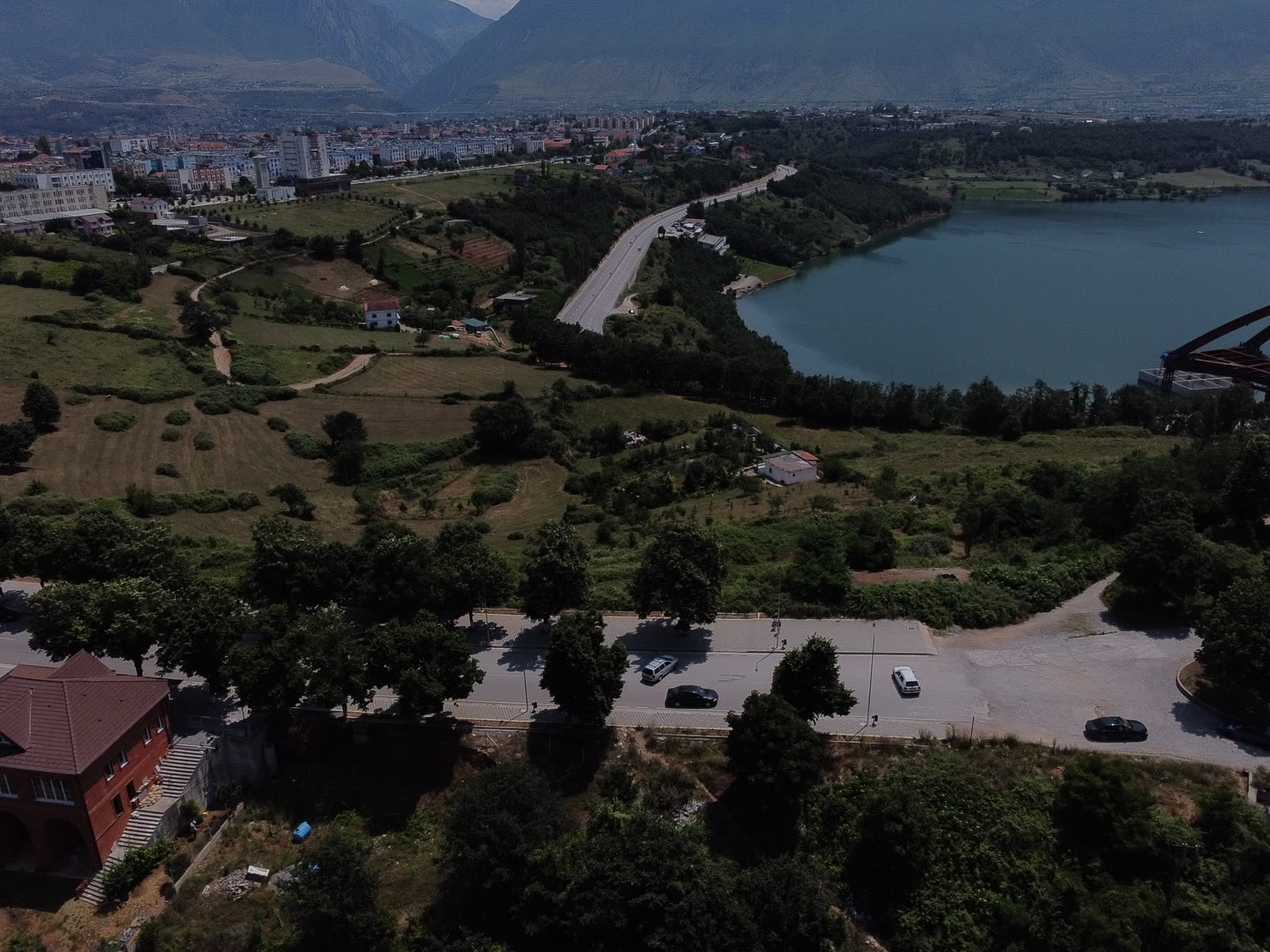
© 2026 Ceezaer™ Drone Services. This article was written and published by Ceezaer (ceezaer.com). All rights reserved — reproduction or republication without written permission is prohibited. Original URL: https://ceezaer.com/blog/marketing-new-home-communities-monthly-drone-flyovers
The same aerial data behind lot-availability maps for new communities.
Shows how a recurring flight cadence pays off for developers.
A parallel playbook for marketing residential property with aerial video.