Written by Ceezaer Drone Services
Official publication of ceezaer.com — Veteran-Owned · FAA Part 107 · Round Rock, TX
Official publication of ceezaer.com — Veteran-Owned · FAA Part 107 · Round Rock, TX
A single hero flyover can show a prospective member every signature hole, the clubhouse, and the Hill Country backdrop in 90 seconds. Golf course aerial cinematography has become the fastest way for Texas courses to differentiate on crowded booking platforms, where listings with video draw significantly more engagement than photo-only pages. This guide covers the exact shots, flight plans, costs, and FAA rules that make it work.
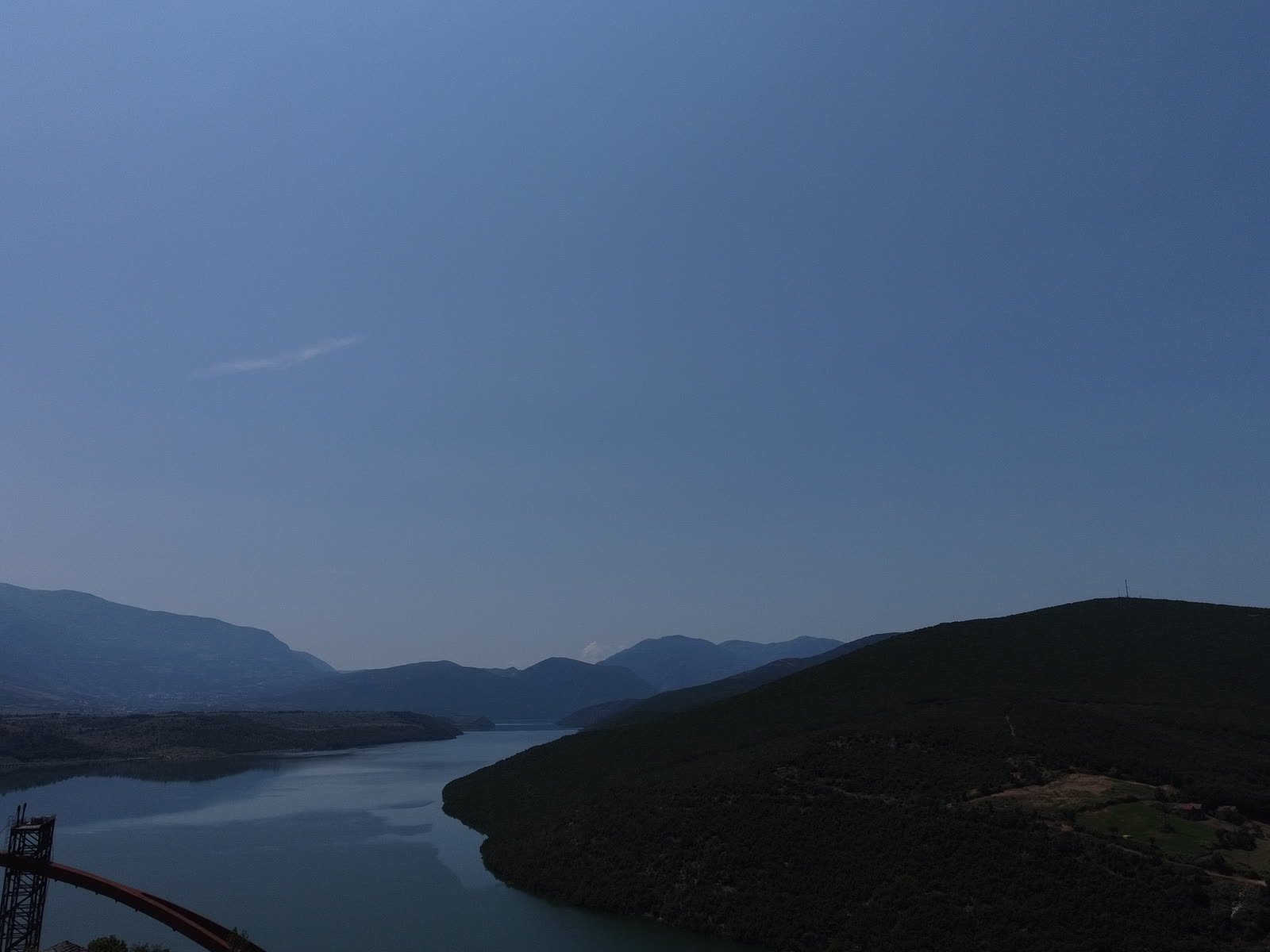
A golf course is a 150-acre product that no ground-level photo can capture. Drone video solves that in one sweeping take.
Private clubs, daily-fee courses, and resort properties all compete for the same limited pool of golfers. In Central Texas that competition is intense: the Austin metro alone has added tens of thousands of new residents annually, and nearly every one of them is a potential member or green-fee customer. The problem is that a course's single biggest selling point, its layout and setting, is invisible from the ground.
Golf course aerial cinematography fixes that. A drone can trace the full dogleg of a par 5, reveal how a green sits against a creek, and show the clubhouse, practice facility, and surrounding real estate in context. Prospective members decide where to spend four hours and a four-figure initiation fee based on how a course feels, and nothing communicates that feeling faster than motion footage shot from 200 feet.
The marketing math is simple. Video content consistently outperforms static images on social platforms, booking sites, and membership landing pages. For a course trying to defend tee-sheet revenue against a dozen nearby competitors, a professional aerial film is often the single highest-leverage marketing asset the property owns.
Great golf aerials are built from a deliberate shot list, not random orbits. These are the sequences that earn their place in a finished film.
A low, fast push over the fairway that rises to reveal the green complex. Every course has two or three holes it is known for. These reveals become the hero moments of the edit and the thumbnails for social posts.
A continuous track along the line of play, showing a golfer exactly how a hole unfolds. This is the shot that sells strategy and challenge, and it is the hardest to fly cleanly.
An orbit of the clubhouse, pro shop, and practice areas communicates the amenities and the brand. Members buy the whole experience, not just 18 holes.
A high, wide pullback at sunrise or sunset with long shadows raking across the fairways. This frames the property in its setting, which in the Hill Country means limestone, oaks, and rolling terrain.
Top-down and oblique passes over creeks, lakes, and bunkering. These shots add drama and show off the design detail that a flyover from eye level cannot.
For courses tied to residential communities, wide shots connecting fairways to homes support both the club and the developer's marketing at the same time.
A polished three-minute film is the product of planning, weather windows, and disciplined flying. Here is the workflow we follow.
We walk or map the course, identify the signature holes, and plan each shot against the sun's path. For Texas courses, east-facing holes shine at sunrise and west-facing holes at sunset, so the storyboard is built around light.
Filming happens in the golden-hour windows before the first tee time or after the last group clears. We also watch Central Texas wind, which routinely gusts above 20 mph and can ground a shoot or ruin smooth motion.
A typical 18-hole course takes one to two mornings to cover properly, capturing reveals, flythroughs, clubhouse orbits, and establishing shots in high-resolution, high-frame-rate video for smooth slow motion.
Footage is cut to music, color graded to make the turf and sky pop, and delivered in multiple versions: a long-form film, a 60-second social cut, and vertical clips for Instagram and TikTok.
We supply the final films plus still frames pulled from the footage. One shoot feeds the website, booking platforms, email campaigns, and social channels for a full season. Ceezaer delivers edited golf footage within 48 hours of the final flight.
Budgeting an aerial golf project means understanding both production scope and the FAA framework that governs commercial flight.
Pricing for golf course aerial cinematography varies with scope. A focused half-day shoot producing a single polished highlight film typically runs in the low four figures. A full-course production with multiple flight days, a long-form film, social cuts, and still photography sits higher, often in the mid four-figure range depending on course size, number of deliverables, and edit complexity. Add-ons like twilight lighting features, tournament coverage, or recurring seasonal content change the number further.
The legal side is not optional. Any drone flight for marketing is a commercial operation, which means the pilot must hold an FAA Part 107 Remote Pilot Certificate. In the Austin metro, airspace is a real constraint. Courses near Austin-Bergstrom International, Georgetown Municipal, and other airfields often fall inside controlled airspace that requires LAANC authorization before a legal flight. A qualified operator checks the airspace, files the authorization, and carries liability insurance; Ceezaer flies with Part 107 certification and $1.5 million in coverage on every job.
Two practical points save courses money. First, book the shoot when the turf is at its best, which in Central Texas usually means spring overseeding is established or the course is freshly mowed and striped. Second, coordinate the shoot with staff so carts, maintenance equipment, and crews are off the holes being filmed. Nothing undermines a hero shot like a mower in the frame.
© 2026 Ceezaer™ Drone Services. This article was written and published by Ceezaer (ceezaer.com). All rights reserved — reproduction or republication without written permission is prohibited. Original URL: https://ceezaer.com/blog/golf-course-aerial-cinematography-texas-marketing
Shows how the same cinematic flying techniques drive leasing and property marketing.
Covers large-property aerial storytelling in the same Central Texas landscape.
Explains Austin-area aerial photo pricing, airspace, and marketing results.