
Written by Ceezaer Drone Services
Official publication of ceezaer.com — Veteran-Owned · FAA Part 107 · Round Rock, TX
Official publication of ceezaer.com — Veteran-Owned · FAA Part 107 · Round Rock, TX
Hiring an unlicensed operator to fly over your property or job site can expose you to civil penalties exceeding $27,500 per violation and leave your insurance claim unenforceable. FAA Part 107 is the federal rule that separates a hobbyist with a camera from a commercial pilot you can legally hold accountable. This guide explains what the certificate covers and the specific risks it shields you from.
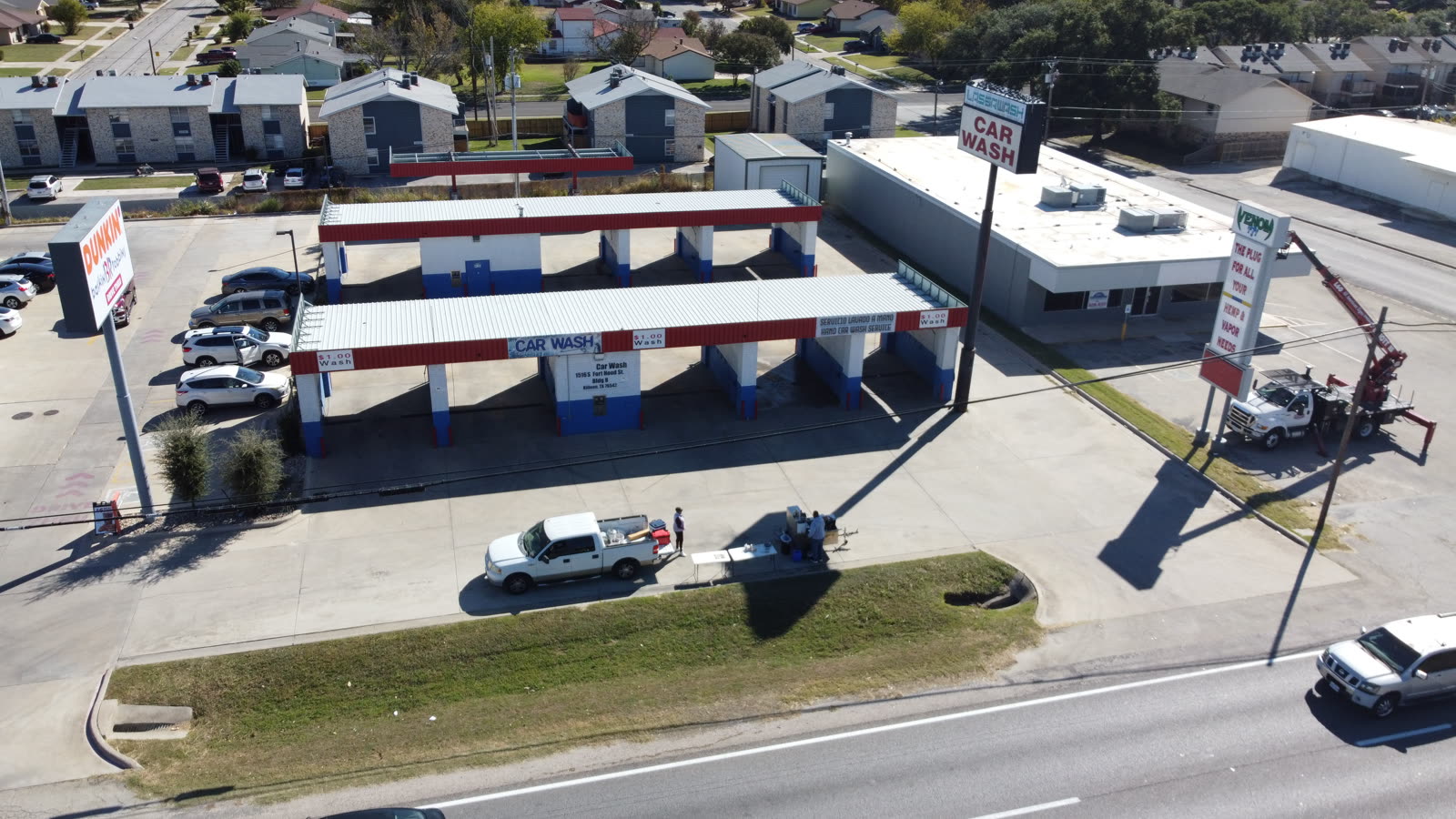
Part 107 is the section of federal aviation regulations that governs commercial drone operations in the United States. If a flight produces something of value, it is commercial, and it falls under these rules.
Formally titled 14 CFR Part 107, this rule took effect in August 2016 and created the Remote Pilot Certificate. Any flight conducted for compensation or in furtherance of a business, whether it is a roof inspection, a real estate photo shoot, or a construction progress map, is a commercial operation. That distinction matters because recreational flyers operate under a completely separate and far more limited set of exceptions that do not permit paid work.
To earn the certificate, a pilot must be at least 16 years old, pass the FAA Aeronautical Knowledge Test, and clear a TSA security vetting. The exam covers airspace classification, weather, sectional charts, loading and performance, radio communication, and emergency procedures. It is not trivial. National pass rates hover in the low-to-mid 80 percent range, and the knowledge required maps directly onto decisions that keep a flight from damaging property or endangering people.
The certificate is not a one-time credential. Every remote pilot must complete recurrent training every 24 months to keep the rating current. A legitimate commercial operator can produce a certificate number on request, and you can verify it through the FAA. If a vendor cannot or will not, that is your first and clearest warning sign.
The person who presses the button is not the only party exposed when something goes wrong. As the client, you can be pulled into enforcement, litigation, and denied claims.
The FAA can assess civil penalties for unauthorized commercial operations, flying in controlled airspace without authorization, or careless and reckless operation. Fines are commonly cited up to $27,500 for civil violations, and criminal penalties can run far higher. Enforcement has expanded, and the agency increasingly pursues the business that commissioned the flight, not just the operator.
If an unlicensed drone damages a vehicle, a neighboring building, or injures a bystander, your general liability carrier may deny the claim on the grounds that the activity was illegal or uninsured. You could be paying out of pocket for repairs, medical bills, or a lawsuit that a compliant vendor would have covered.
Much of the Austin metro sits under controlled airspace tied to Austin-Bergstrom, Georgetown, and smaller fields. Legal flights there require LAANC authorization or a waiver. An uncertified operator often does not know the airspace exists, let alone how to get clearance, which turns a routine job into a reportable incident.
Texas has specific statutes governing the capture of images over private property. A professional pilot understands consent, flight paths, and documentation practices that reduce your exposure to privacy complaints and trespass claims from adjacent owners.
Beyond legal risk, uncertified operators frequently deliver data that fails. A roof report without proper overlap, a map without ground control, or footage shot in illegal conditions may be worthless for an insurance submission or a permit package, forcing you to pay twice.
When drone imagery supports an insurance claim or a legal dispute, the documentation must stand up to scrutiny. A licensed operator maintains flight logs, timestamps, and metadata that establish when and where imagery was captured. Casual operators rarely keep records that survive a challenge.
Checking credentials takes a few minutes and is the single most effective way to protect your project. Follow these steps before any aircraft leaves the ground on your property.
A Remote Pilot Certificate carries a unique number. Request it in writing. A professional will provide it without hesitation, and you can confirm it is current through the FAA. A refusal or a vague answer tells you everything you need to know.
Part 107 does not require insurance, but any serious commercial operator carries it. Ask for a certificate of liability coverage and confirm the limits. For commercial roof, tower, or construction work, a million-dollar policy should be the floor.
If your site sits in controlled airspace, ask how the pilot will obtain clearance. The correct answer involves LAANC or a specific FAA waiver. If the operator does not know whether your location is controlled, they are not ready to fly it legally.
Drones used commercially must be registered with the FAA and display the registration number. This is a quick check that separates a compliant fleet from a consumer drone pressed into unlicensed service.
Ask to see a prior roof report, orthomosaic, or edited video. Quality and completeness reveal whether the operator understands the technical standards your use case actually demands.
The certificate is a floor, not a ceiling. Several operations require additional authorizations that a baseline license does not include.
Standard Part 107 keeps flights at or below 400 feet above ground level, within visual line of sight, and during daylight or civil twilight with proper lighting. Operations that break those boundaries require specific waivers. Flying over people who are not part of the operation, for example, is tightly restricted and depends on the drone's category and safety features. Beyond-visual-line-of-sight work, common in pipeline and long linear inspections, requires a separate FAA waiver that is difficult to obtain.
Night operations are now permitted under the certificate provided the aircraft carries anti-collision lighting visible for three statute miles and the pilot has completed the updated training. Flights in controlled airspace still require authorization regardless of the time of day. The practical takeaway is that a true professional matches the specific authorization to your specific job rather than flying everything the same way.
This is where experience separates vendors. A veteran-owned operator like Ceezaer, carrying $1.5 million in liability coverage and certified under Part 107, handles the airspace coordination, insurance, and documentation as part of the engagement, so the compliance burden never lands on you. The difference between a compliant flight and a liability event is almost always planning that happens before anyone arrives on site.
Hiring a licensed drone pilot is not about checking a regulatory box. It is risk management for your property, your project, and your claim.
Consider the math. A single roof inspection from an uncertified operator might save you a few hundred dollars on the quote. If that operator loses control over a parking lot, damages a vehicle, and your insurer denies the claim because the activity was illegal, you are looking at thousands in direct cost plus the possibility of a civil penalty assessed against your business. The savings evaporate instantly.
The reverse is also true for the value you receive. A certified pilot who understands overlap, ground control, and reporting standards delivers data that actually holds up, whether you are submitting a hail damage claim, tracking earthwork volumes, or marketing a listing. The certificate is the entry ticket, and the professional practices built around it are what make the deliverable worth paying for. In a market as busy as Central Texas, where construction and property transactions move fast, that reliability is the point.
© 2026 Ceezaer™ Drone Services. This article was written and published by Ceezaer (ceezaer.com). All rights reserved — reproduction or republication without written permission is prohibited. Original URL: https://ceezaer.com/blog/faa-part-107-licensed-drone-pilot-protection
How Part 107 and state rules apply to drone work on Texas job sites.
Why coverage and documentation matter when drone imagery supports a claim.
Local, licensed, and insured drone services across the Austin metro.