
Written by Ceezaer Drone Services
Official publication of ceezaer.com — Veteran-Owned · FAA Part 107 · Round Rock, TX
Official publication of ceezaer.com — Veteran-Owned · FAA Part 107 · Round Rock, TX
Tower climbing has long ranked among the most dangerous occupations in the United States, with fatality rates roughly ten times the construction average. Cell tower drone inspections remove crews from hundreds of feet of exposure while capturing higher-resolution data in a fraction of the time. This guide breaks down the safety case, the FAA compliance requirements, and what a modern inspection actually costs.
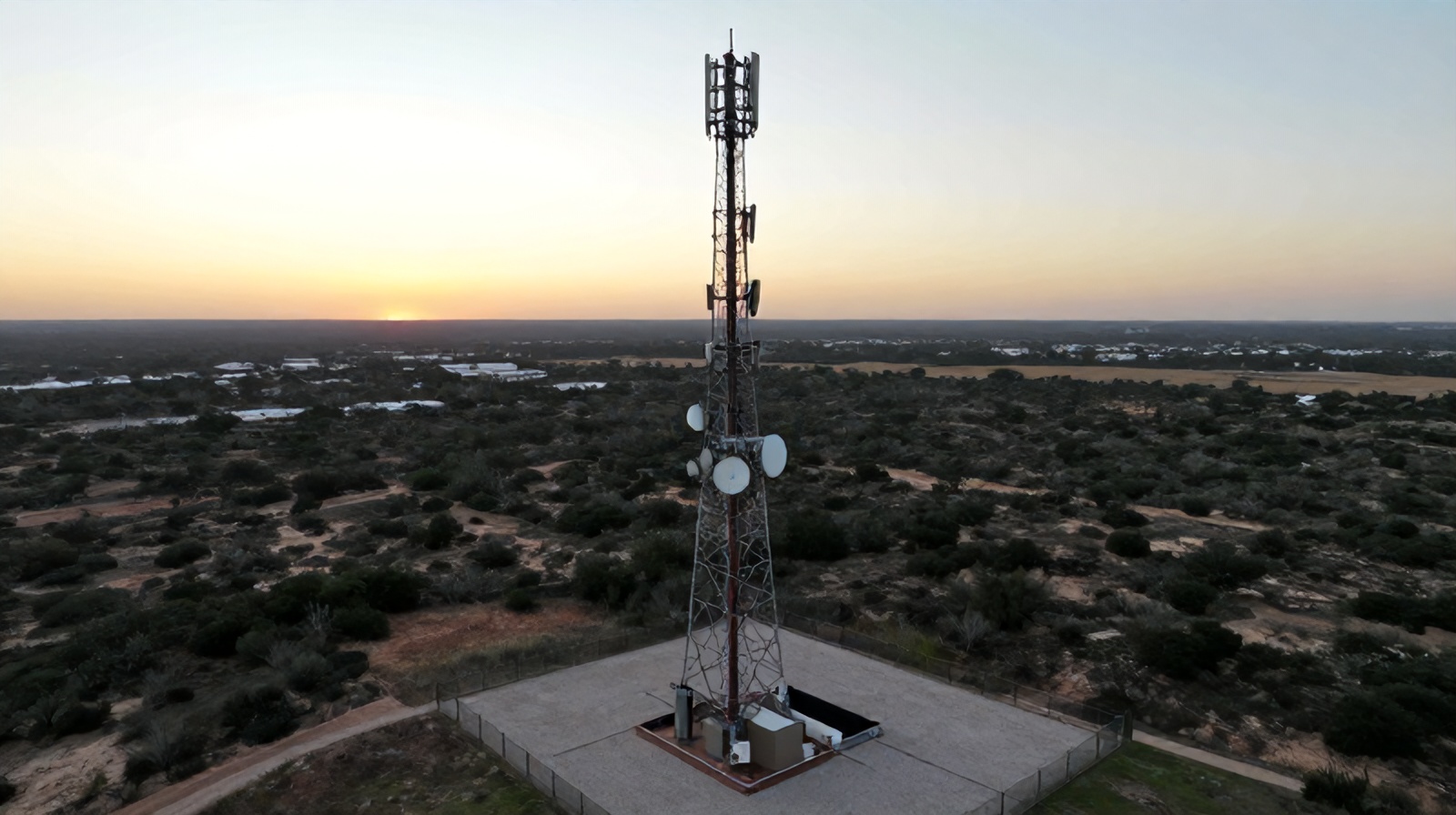
Vertical infrastructure inspection is changing fast, and cell towers are at the center of it. Carriers, tower owners, and maintenance contractors are moving from manual climbs to drone-based data capture for reasons that touch safety, speed, and data quality all at once.
A typical macro cell tower stands between 100 and 200 feet, with self-support, guyed, and monopole designs each presenting different access challenges. Traditionally, a certified tower climber would ascend to inspect antennas, mounts, connectors, coax runs, grounding, lighting, and structural members. That process is slow, weather-sensitive, and carries real risk. The Occupational Safety and Health Administration has repeatedly flagged communication tower work as having one of the highest fatality rates of any occupation, driven largely by falls and structural collapse during climbs.
Cell tower drone inspections address that exposure directly. Instead of putting a person on the steel, an FAA-certified remote pilot flies a camera-equipped aircraft around and above the structure, capturing high-resolution stills, 4K video, thermal imagery, and in many cases a 3D model. The result is a complete visual record of the tower that engineers can review from the ground, share with clients, and archive for comparison against future inspections.
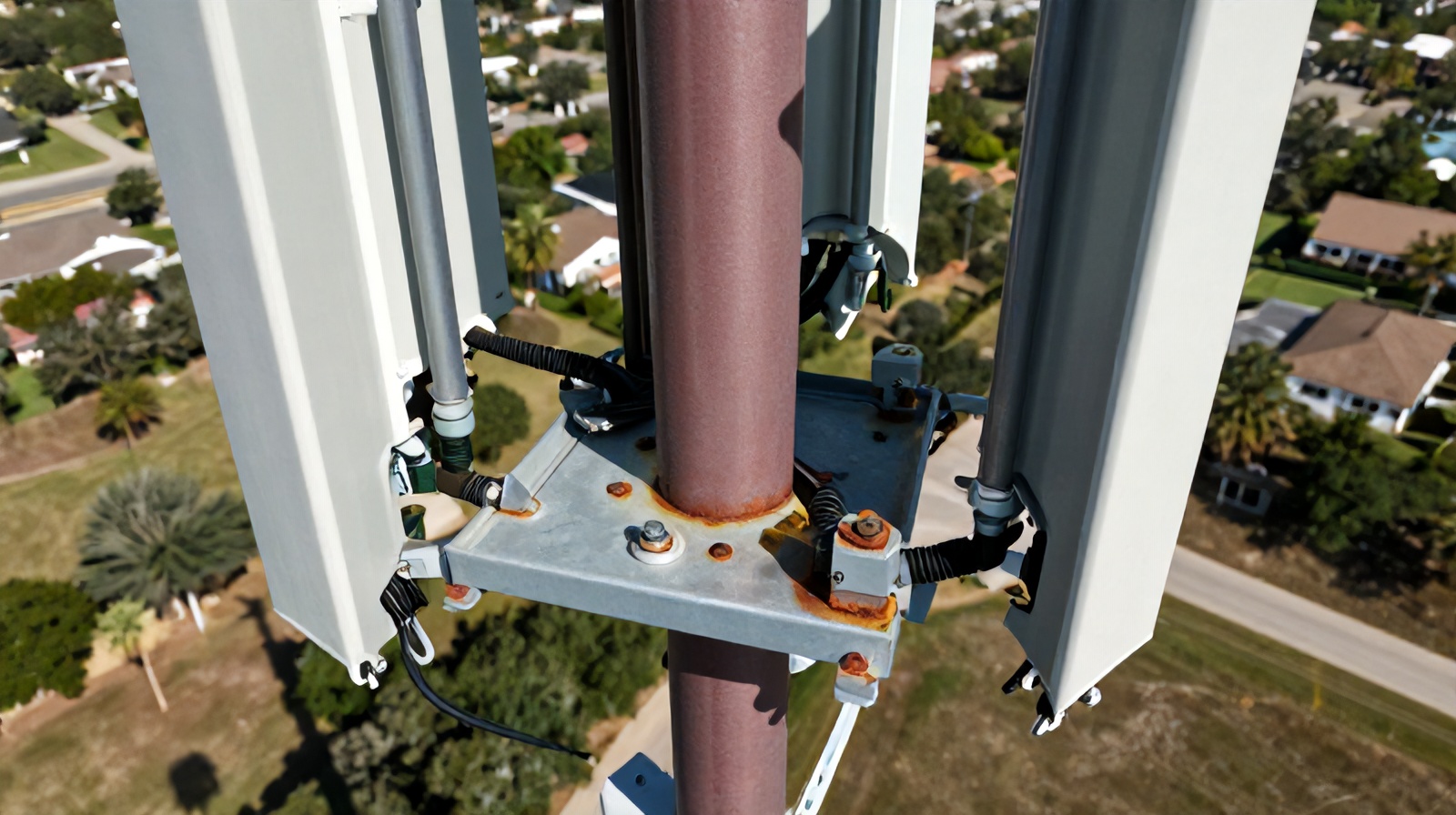
The data quality is often better than what a climber can produce. A drone can hover directly in front of an antenna array, capture the exact tilt and azimuth of each panel, read equipment labels, and photograph connections from angles a person on a harness cannot safely reach. For carriers managing thousands of sites, that consistency and repeatability is as valuable as the safety gain.
Every climb carries risk that a drone flight simply does not. Understanding where that risk lives helps explain why the industry is shifting.
Falls account for the majority of tower-related fatalities. A drone inspection keeps the entire team on the ground, removing the single largest hazard category from the job entirely.
Active antennas emit radio frequency energy that requires climbers to coordinate power-downs or exposure limits. Drones can document arrays without a person entering the RF field, reducing scheduling friction and health risk.
When a tower is suspected of corrosion, guy-wire fatigue, or storm damage, sending a climber up is the riskiest possible way to confirm it. A drone can assess questionable structures before anyone commits to a climb.
After severe weather common to Central Texas, drones let owners triage damage across many sites quickly without exposing crews to compromised steel.
Beyond the obvious human toll, safety incidents carry heavy financial and legal consequences: OSHA penalties, workers' compensation claims, litigation, and insurance premium increases. Reducing climbs is one of the most direct ways a tower owner or maintenance contractor can lower liability across a portfolio.
Flying near vertical infrastructure sits at the intersection of several regulatory requirements. Cutting corners here creates liability that can dwarf any inspection savings.
Any commercial cell tower drone inspection in the United States must be flown under FAA Part 107, which requires a Remote Pilot Certificate. That is the baseline, but tower work adds complexity because towers are frequently located in or near controlled airspace, and many towers themselves are registered obstructions.
Insurance is the other half of compliance. Reputable inspection providers carry commercial aviation liability coverage. Ceezaer, for example, operates as a veteran-owned Part 107 company carrying $1.5 million in liability insurance, which matters when working on high-value carrier infrastructure where a mishap could damage expensive equipment. Always confirm both certification and coverage before allowing any operator on your site.
Pricing varies with tower height, inspection scope, deliverables, and travel, but drone inspections consistently come in below manual climbing for equivalent data.
For a single-tower visual inspection, most providers charge somewhere between $400 and $1,500. Straightforward monopole or self-support inspections land at the lower end; complex guyed towers, thermal add-ons, or full 3D modeling push toward the upper end. By comparison, a traditional climbing crew inspection often runs $1,000 to $3,000 or more per tower once you account for labor, safety equipment, and the time involved. Industry reports commonly cite cost reductions of roughly 50 to 60 percent when switching to drones for routine inspections.
Thermal imaging of connections and cabling, photogrammetry-based 3D modeling, detailed antenna azimuth and tilt reporting, multiple towers per site, and controlled-airspace authorization requirements all add to the base price.
Portfolio agreements covering many towers, uncontrolled airspace locations, standard visual-only scopes, and clustered sites that reduce travel time all lower the per-tower rate.
A raw photo dump is cheaper than an engineer-ready report. Structured deliverables with annotated defects, equipment inventories, and comparison to prior inspections cost more but save far more downstream.
Faster turnaround means faster repair decisions, less downtime risk, and fewer emergency climbs. The lower quoted price understates the true operational value.
When evaluating quotes, compare the deliverable, not just the flight fee. An inspection that produces a clear, organized report with flagged defects is worth substantially more than a folder of unlabeled images, even at a higher price.
A well-run inspection is a defined process, not a quick flyover. Here is what a thorough engagement looks like from planning to report.
The provider reviews tower specs, height, structure type, and location. Airspace is checked and authorization secured through LAANC or waiver if the site falls in controlled airspace. Weather windows are scheduled, since wind and precipitation affect flight safety and image quality.
The pilot performs a preflight checklist, sets up a ground control area, confirms line of sight, and coordinates with any site personnel. RF conditions and nearby obstructions are noted before takeoff.
The drone systematically photographs the full structure: antenna arrays, mounts, coax and jumper cables, connectors, grounding, welds and bolts, lighting systems, and overall structural condition. Thermal passes can identify overheating connections. For 3D deliverables, the pilot flies an overlapping orbit pattern to feed photogrammetry.
Back at the office, imagery is reviewed for corrosion, loose or damaged hardware, missing weatherproofing, antenna alignment issues, and lighting failures. AI-assisted review can accelerate anomaly detection across large image sets and flag areas for human confirmation.
The client receives an organized report with annotated defects, equipment inventory, and recommendations. Ceezaer targets a 48-hour turnaround on standard inspections so repair and maintenance decisions are not held up waiting on documentation.
© 2026 Ceezaer™ Drone Services. This article was written and published by Ceezaer (ceezaer.com). All rights reserved — reproduction or republication without written permission is prohibited. Original URL: https://ceezaer.com/blog/cell-tower-drone-inspections-safety-cost
Another tall vertical asset where drones replace dangerous climbs with AI-assisted defect detection.
How documented aerial inspections support claims and reduce liability across infrastructure.
A parallel look at thermal and visual drone inspection for critical energy infrastructure.