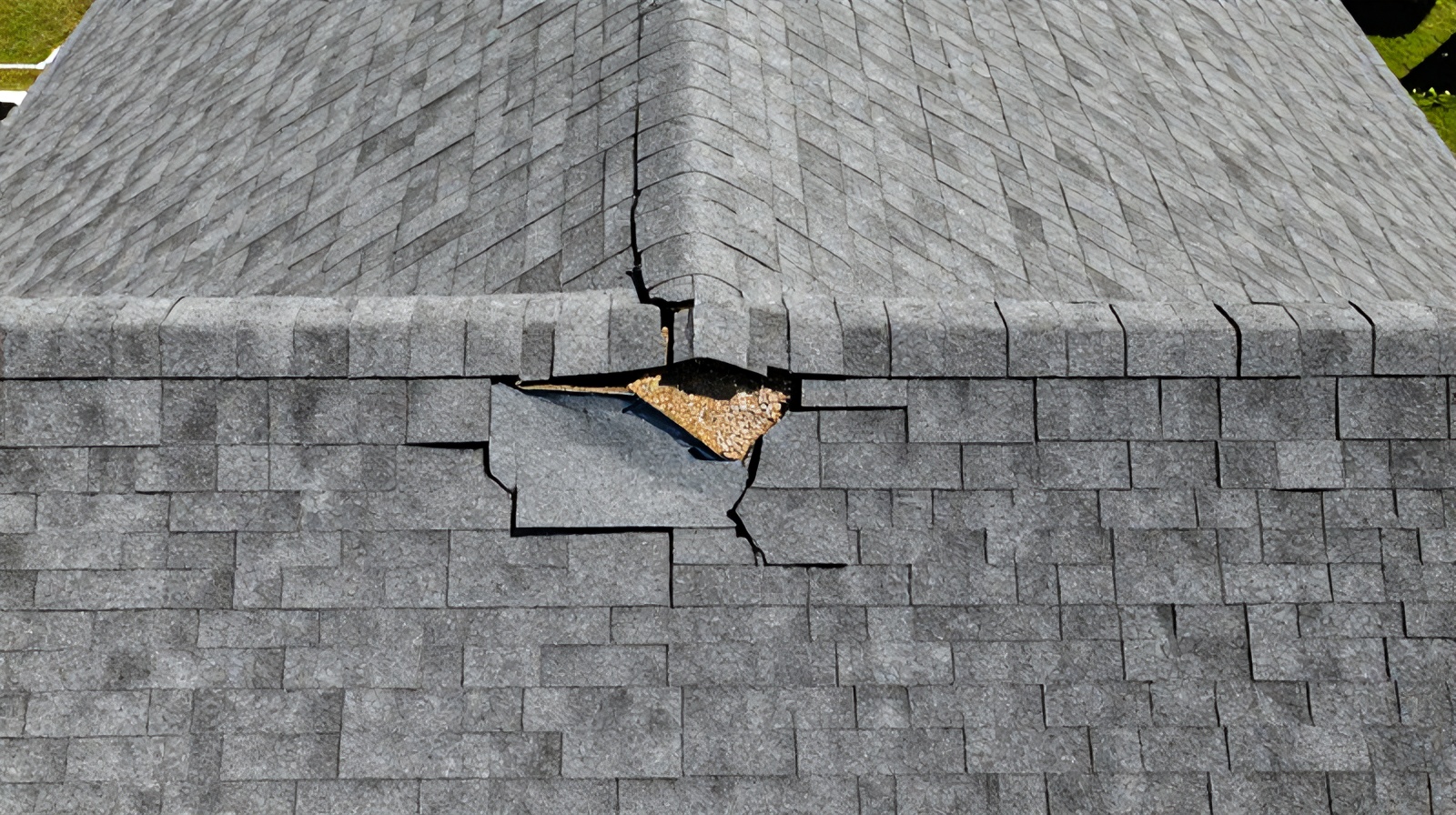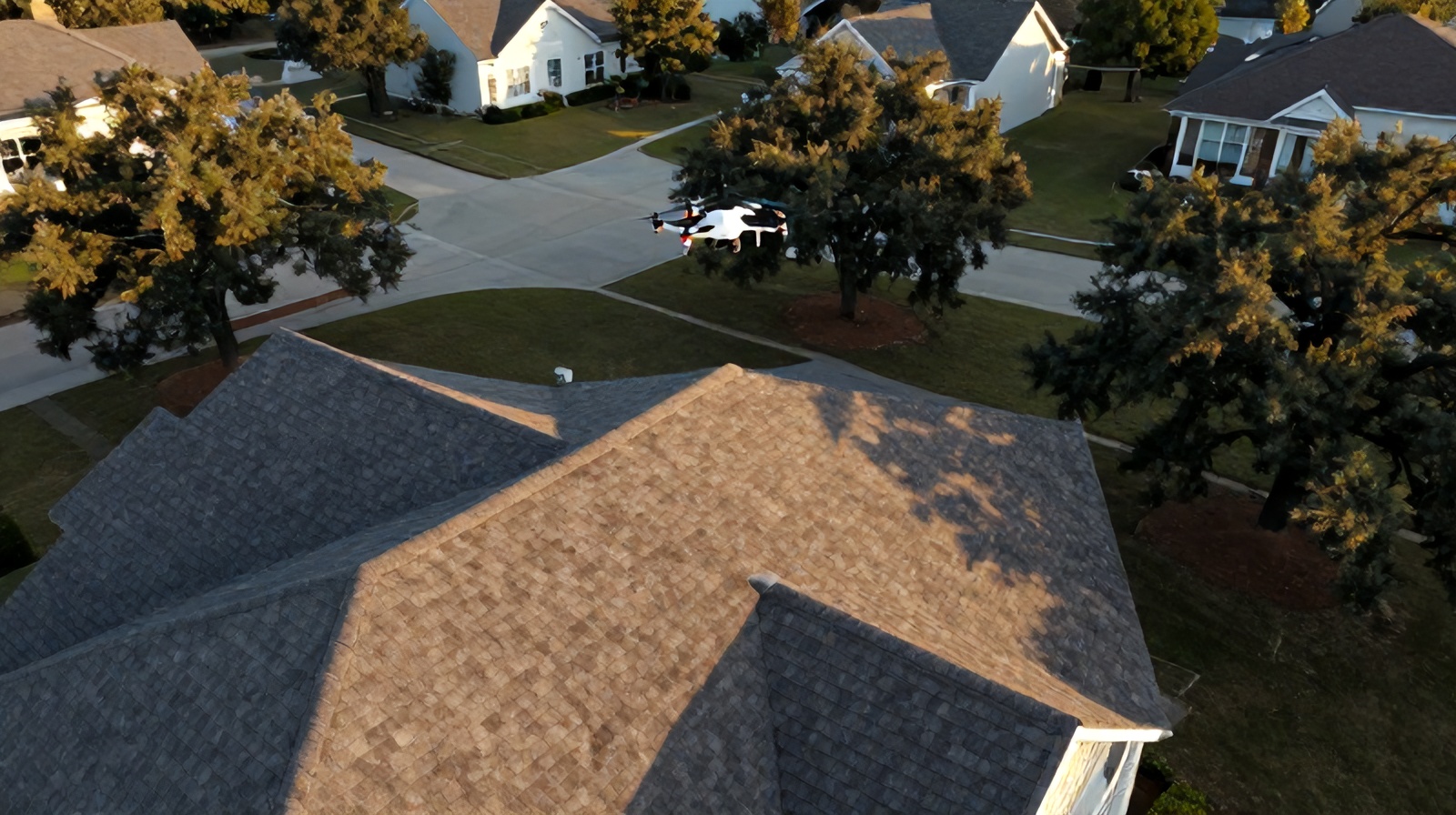
Looking for the best drone for roof inspections in 2025? Compare top models, key features, and pro tips to inspect roofs safely, accurately, and cost-effectively.
Affiliate Disclosure: This post contains affiliate links. If you purchase through them, we may earn a small commission at no extra cost to you. We only recommend products we've researched thoroughly or used ourselves.
Climbing a ladder to check your roof is one of the most dangerous chores a homeowner — or a contractor — can do. Falls from roofs send tens of thousands of people to the emergency room every year, and even a single missed shingle can cost thousands in water damage. That's why drones have quietly become the go-to tool for roof inspections, used by insurance adjusters, real estate agents, solar installers, and DIY-minded homeowners alike.
But which drone is actually best for the job? In this guide, I'll walk you through what to look for, share my top picks for different budgets, and explain when it makes more sense to skip the gear and just hire a pro.
⚠ Affiliate Disclosure: This post contains affiliate links. If you purchase through them, we may earn a small commission at no extra cost to you. We only recommend products we've researched thoroughly.
Before we get into specific models, it's worth understanding why drones have become such a powerful tool for this niche.
Whether you're a contractor scaling up your business or a homeowner inspecting after a storm, the right drone pays for itself quickly.
Not every drone is suited for inspection work. Here are the features that really matter.
You're looking for cracks, missing nails, and small punctures. A 1/1.3" or larger sensor with at least 48MP photo resolution will let you zoom in on details without losing clarity. Optical or lossless digital zoom is a huge plus.
Roofs are surrounded by chimneys, antennas, satellite dishes, tree branches, and power lines. Omnidirectional obstacle sensors are nearly essential if you want to fly close to structures without crashing.
Roof-level winds are stronger than ground-level winds. Look for a drone rated for at least 10.7 m/s (Level 5) wind resistance.
You want at least 25–30 minutes of real-world flight time. That gives you buffer for repositioning, battery returns, and detailed shots.
In the U.S., drones under 250g (0.55 lb) don't require FAA registration for recreational use. For homeowners doing personal inspections, sub-250g drones are a sweet spot.
You'll generate gigabytes of footage on a single inspection. A fast, high-capacity microSD card is non-negotiable. I personally use the SanDisk 256GB Extreme MicroSD because it handles 4K video without dropped frames and gives me plenty of room for multiple jobs before offloading.
After testing several drones for residential and small commercial inspections, the DJI Mini 4 Pro stands out as the best all-around option for most users.
You can check current pricing on the DJI Mini 4 Pro Drone here.
On a recent inspection of a two-story home with a steep asphalt-shingle roof, the Mini 4 Pro let me orbit each elevation, hover within a few feet of the chimney, and zoom in on suspect flashing — all without ever feeling twitchy. The obstacle sensors caught a power line I hadn't noticed, which alone justified the price.
For 90% of homeowners and side-hustle inspectors, this is the drone to buy.
If you're only inspecting once or twice a year, look at the DJI Mini 3 (non-Pro) or a refurbished Mini 2 SE. You'll lose obstacle avoidance and some camera quality, but you'll save several hundred dollars. Just fly more carefully.
If roof inspections are part of your business, consider stepping up to the DJI Air 3 or Mavic 3 Pro. You get a larger sensor, true optical zoom (up to 7x or 28x with the Mavic 3 Pro), and longer flight times. The trade-off: registration is required, and the price tag is significantly higher.
Looking for moisture intrusion under the membrane? You need a thermal drone. The DJI Mavic 3 Thermal is the industry standard but starts around $5,000+. For most users, that's overkill.
Owning the gear is only half the battle. Here's the workflow I use:
Take off from a flat, open area. Climb to about 50 feet above the ridgeline and capture wide shots of all four elevations. This gives you context for any close-up issues you find later.
Drop down to 8–15 feet above the roof surface. Slowly fly the perimeter, then transition across the roof in overlapping passes. Pay extra attention to:
Capture both photos and video. Photos are better for insurance claims; video is better for showing context. Use 48MP mode for any suspect areas — you can crop in heavily during review.
Always review footage on a tablet or computer, not your phone. You'll catch issues you missed in the field.
I'm a big fan of doing things yourself, but sometimes hiring a pro is the smarter call:
A professional drone inspection typically runs $150–$400 for residential properties — often less than the cost of a single missed leak. If that's your situation, you can Book a Drone Service and get certified, insured pilots out to your property quickly.
Even sub-250g drones come with rules. Here's the short version:
If you're inspecting your own roof for personal reasons, the rules are minimal. If you're inspecting someone else's roof for money — even a friend paying you in beer — you technically need Part 107.
Beyond the drone itself, a few accessories will dramatically improve your experience:
For homeowners who plan to live in their house for years, a drone like the DJI Mini 4 Pro pays for itself the first time it spots a small leak before it becomes a $10,000 ceiling repair. For contractors and inspectors, it's an obvious business investment that improves safety, speed, and the quality of your reports.
If I had to summarize my recommendations:
Roof repairs only get more expensive the longer you wait. Whether you decide to fly yourself or hire a pro, getting eyes on your roof at least twice a year — especially after major storms — is one of the best things you can do for your home.
Ready to get started? Pick the option that fits your situation, and you'll never have to climb a wobbly ladder again.
FAA Part 107 certified. Real estate photography, roof inspections, construction monitoring, and aerial mapping in Round Rock and the Austin metro.
Book a Drone ServiceUpload drone imagery, get AI findings and a client-ready report in about a minute. 14-day trial, no credit card.
Analyze your first site free → See a sample report