Discover the best drone for real estate photography in 2025, with expert tips on aerial shots, editing workflows, and gear that actually delivers results. Learn what features matter most before you invest.
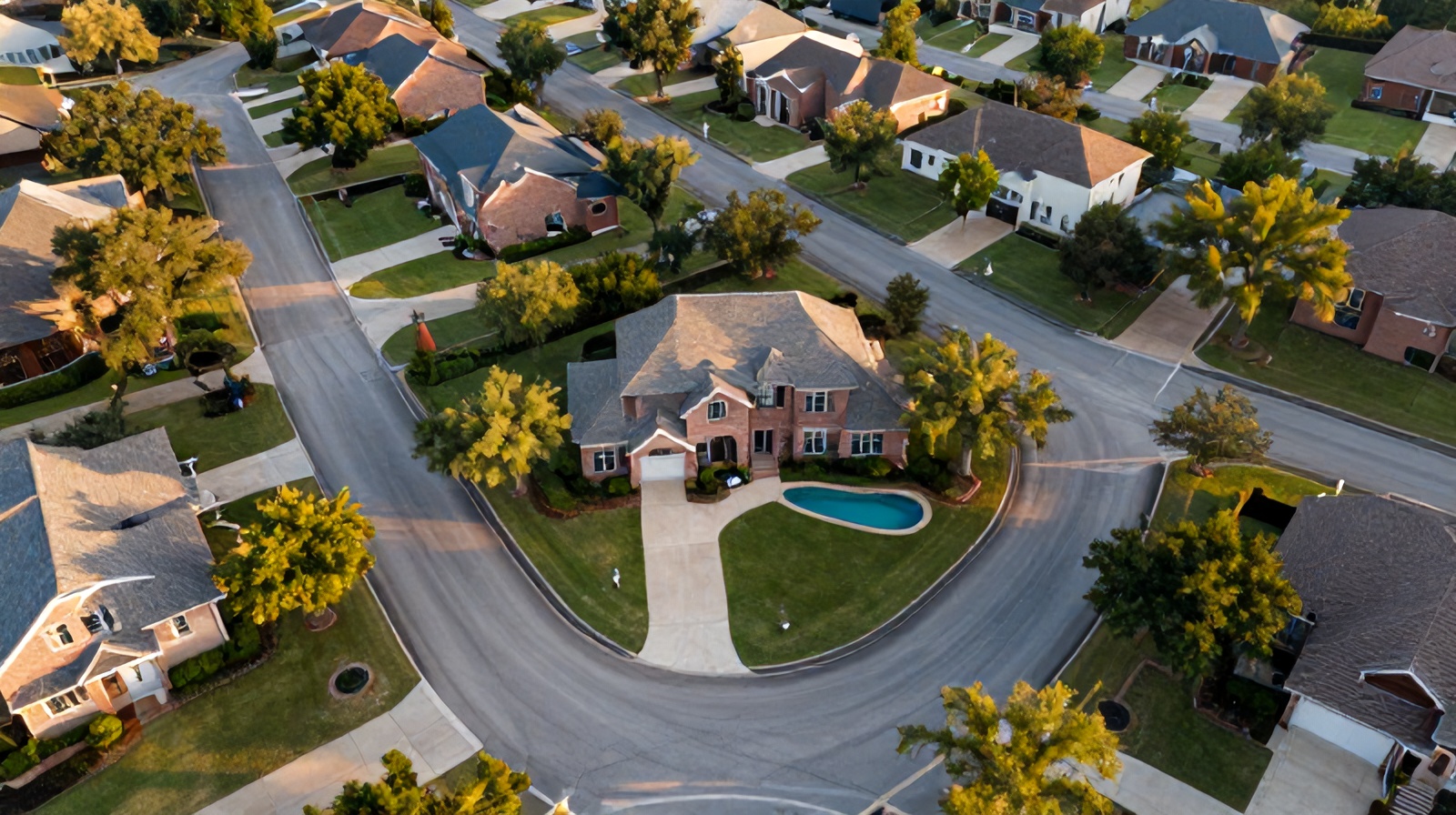
Aerial photography has gone from a "nice-to-have" to an absolute baseline for real estate listings. Buyers expect to see the property from above — the lot lines, the roofline, the proximity to that gorgeous lake. If your listings still rely on ground-level shots alone, you're losing clicks (and probably commissions) to competitors who've embraced drones.
But which drone is actually best for real estate photography? After years of shooting properties — from suburban tract homes to multi-million-dollar estates — I've narrowed down what really matters. This guide cuts through the marketing fluff and tells you exactly what to buy, why, and how to use it to produce listing photos that sell homes faster.
⚠ Affiliate Disclosure: This post contains affiliate links. If you purchase through them, we may earn a small commission at no extra cost to you. We only recommend products we've researched thoroughly.
A 2023 study by the National Association of Realtors found that listings with aerial imagery sold up to 68% faster than comparable listings without. That's not a small bump — that's the difference between a listing that lingers and one that closes.
Aerial photography helps buyers:
The catch? You need the right drone. Not every flying camera is built for property work, and the wrong choice will leave you with shaky footage, washed-out colors, or — worse — legal headaches.
Before I get to specific recommendations, here's what actually matters when you're choosing a drone for property photography.
A larger sensor captures more detail and handles tricky light — like backlit homes at sunset or dim interior shots through a window. Look for at least a 1/1.3-inch sensor and 4K video recording. Anything less, and your photos will look muddy when zoomed in on a 27-inch monitor or a buyer's tablet.
In the U.S., drones under 250 grams sit in a much friendlier regulatory category. You still need to register and follow Part 107 rules if flying commercially, but the lighter weight reduces some compliance friction (and risk). For real estate work, the sub-250g class has become the sweet spot.
You'll be flying near trees, power lines, eaves, and chimneys. Omnidirectional obstacle sensing isn't a luxury — it's insurance against an expensive crash on someone else's property.
Real estate shoots often happen on tight schedules. You can't ask the seller to reschedule because of a 15 mph breeze. Look for drones rated for at least Level 5 wind resistance and 30+ minutes of flight time.
Vertical aerial shots work brilliantly for social media and certain MLS thumbnails. HDR (High Dynamic Range) is critical when shooting properties with bright skies and shaded yards.
After testing nearly every consumer drone on the market, the DJI Mini 4 Pro is my hands-down recommendation for real estate photographers — whether you're a solo agent shooting your own listings or a full-time aerial photographer.
It's under 249 grams. This means simpler regulatory compliance, no registration in many countries, and the ability to fly in places heavier drones can't.
The camera punches way above its weight class. A 1/1.3-inch CMOS sensor, 4K/100fps video, and 48MP photos. The dynamic range handles bright skies and dark roof tiles in the same frame — exactly the conditions you face on most shoots.
True vertical shooting. The gimbal rotates 90°, so you get genuine portrait-orientation footage without cropping. Perfect for Instagram Reels and TikTok property tours.
Omnidirectional obstacle sensing. This is rare in this weight class. It's saved me from hitting a chimney I didn't see in my peripheral on more than one occasion.
ActiveTrack 360° and waypoints. You can program orbit shots around a property hands-free, which means cleaner footage and more time to compose your next shot.
It struggles in winds above 25 mph. The microSD slot is fiddly. And the standard battery gives ~34 minutes — solid, but you'll want a second battery for back-to-back listings.
Speaking of memory — the Mini 4 Pro's 4K HDR footage eats storage fast. I learned this the hard way on a property shoot where I had to delete clips mid-flight. Pick up a high-speed card rated for 4K video. I use the SanDisk 256GB Extreme MicroSD for my main card — it handles burst photo modes and 4K100 video without dropping frames, and 256GB is enough for a full day of shoots without offloading.
The Mini 4 Pro isn't the only option. Here are situations where you might choose something else:
The Air 3 has a dual-camera system (wide + medium telephoto). The telephoto is genuinely useful for compressed shots showing a home in context with mountains or shoreline. But it's heavier, more expensive, and overkill for most listings.
If you're shooting $5M+ estates, commercial buildings, or developing a portfolio for high-end magazines, the Mavic 3 Pro's Hasselblad camera and triple-lens system justify the price. For 95% of agents, it's more drone than you need.
Buying the drone is step one. The real difference between hobbyist footage and listing-grade imagery comes from your workflow.
Use Google Earth to scout the property the day before. Identify obstacles, sun direction, and the best time of day. Twilight shoots — about 20 minutes after sunset — produce the most dramatic listing photos but require careful planning.
Get permission in writing from sellers, and check airspace using the B4UFLY app. Properties near airports, hospitals, or schools may require LAANC authorization.
At minimum, capture:
Raw drone files look flat. They're meant to. The magic happens in editing, and this is where I see most agents and new photographers undersell their work.
I use Adobe Lightroom for nearly all my drone editing. The Photography Plan includes Lightroom plus 20GB of cloud storage, and the mobile sync means I can edit a quick batch on my iPad between showings. Specifically for drone shots, Lightroom's:
If you're serious about real estate photography, learning Lightroom isn't optional — it's the dividing line between amateur-looking shots and the polished images that fetch top dollar.
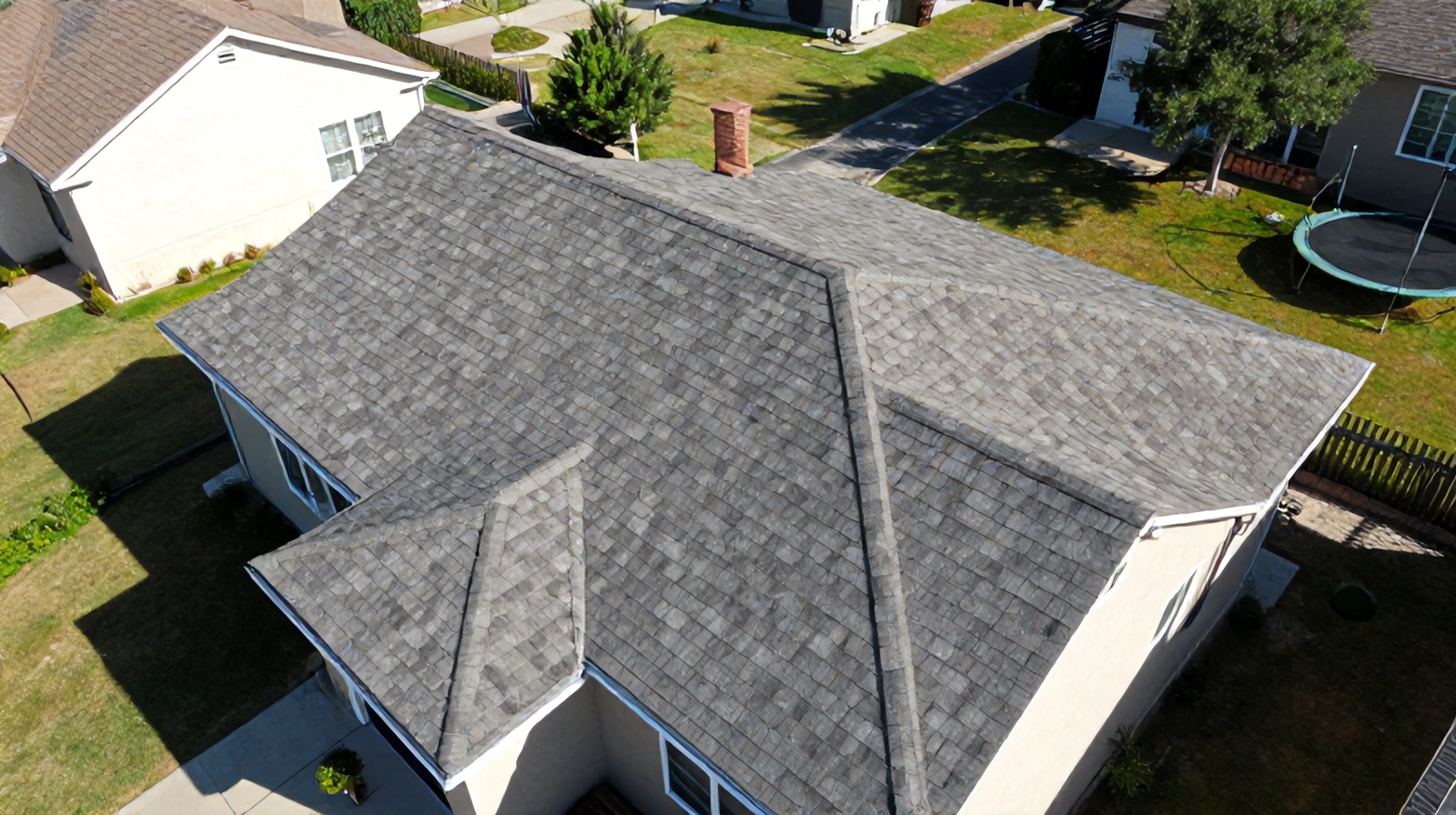
Here's a tip most real estate photographers miss: the same drone you use for listing photos can become a secondary income stream through drone roof inspections.
Insurance adjusters, roofing contractors, and home inspectors increasingly hire drone pilots for non-invasive roof assessments. The work pays $150–$400 per inspection, takes 20 minutes on-site, and you already own the equipment.
I added roof inspections to my offerings last year, and the workflow is straightforward once you learn it. A proper inspection walks through:
Within two months I'd recovered the course cost and added a profitable side service. If you've already invested in a quality drone, this is one of the highest-ROI moves you can make.
If you're flying commercially in the U.S. — and "commercially" includes shooting for an MLS listing or doing it as part of your real estate job — you need an FAA Part 107 Remote Pilot Certificate. The test costs $175 and requires study, but flying without it can result in fines up to $32,000.
Homeowner's policies typically don't cover commercial drone work. Verifly and SkyWatch offer per-flight policies starting at about $10. For full-time use, an annual liability policy runs $500–$700.
Even if your client (the agent) hires you, the seller is the one whose property you're flying over. A simple email confirmation is enough — but get it.
Surface wind and 200-foot wind are different animals. I check UAV Forecast before every flight. If gusts at 200 ft exceed 20 mph, I reschedule.
After reviewing portfolios from dozens of agents, here are the recurring mistakes I see:
For the vast majority of real estate photographers and agents, yes — emphatically. It's the rare product that genuinely delivers professional-grade results at a sub-pro price point. Combine it with a fast memory card, solid editing software, and proper licensing, and you have a complete real estate aerial kit that pays for itself within a handful of listings.
If you're ready to level up your real estate marketing — or build a profitable side business in aerial photography — here's where to start:
The investment pays back fast. A single real estate listing at market rates covers the cost of the drone. A handful of roof inspections covers the rest of your kit. Start there, build your portfolio, and scale from one service to the next.
In the Austin area? Ceezaer handles professional aerial shoots from flight to final edited files — FAA certified, same-week availability. Book a shoot today.
FAA Part 107 certified. Real estate photography, roof inspections, construction monitoring, and aerial mapping in Round Rock and the Austin metro.
Book a Drone Service